
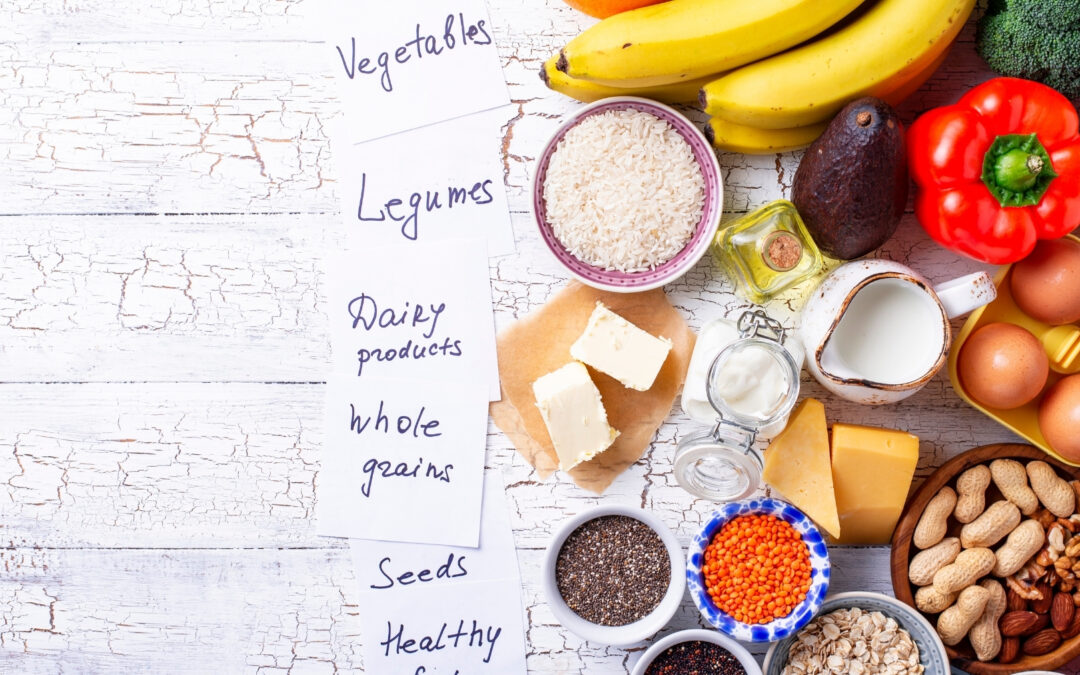
As people age, the body’s nutritional needs change significantly. Many seniors struggle with reduced appetite, chewing or swallowing difficulties, and health conditions that affect digestion and absorption of nutrients. These challenges often lead to malnutrition, which increases the risk of weakness, infections, falls, and longer recovery times.
But the good news is that a simple, balanced diet can make aging healthier and more active. Proper nutrition not only prevents deficiencies but also helps seniors maintain strength, independence, and overall well-being.
Why Nutrition Matters for Seniors?
- Supports muscle strength and prevents frailty.
- Maintains bone health and reduces fracture risk.
- Strengthens immunity to fight infections.
- Improves digestion and energy levels.
- Enhances mental clarity and mood.
Key Dietary Recommendations
- Protein for strength: Paneer, dal, eggs, lean meat, fish, and soy help prevent muscle loss.
- Calcium & Vitamin D for bones: Milk, yogurt, leafy greens, and sunlight exposure are crucial.
- Fiber for digestion: Fruits, vegetables, whole grains, and pulses ease constipation.
- Healthy fats for the heart: Nuts, seeds, and olive oil support cardiovascular health.
- Hydration: Seniors often feel less thirsty, so drinking water, soups, or buttermilk is essential.
Practical Meal Tips
- Opt for small, frequent meals instead of heavy ones.
- Include soft-textured foods like porridge, khichdi, soups, and smoothies.
- Avoid excessive salt, sugar, and fried foods.
- Add natural flavoring like herbs and spices to make meals more enjoyable.