
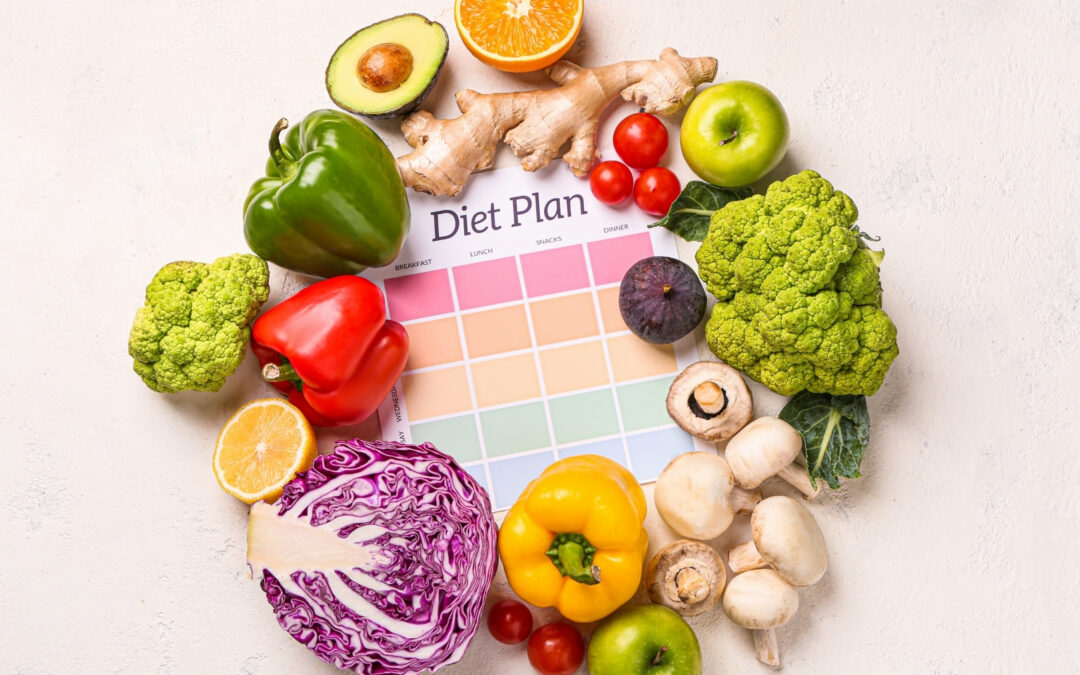
Polycystic Ovary Syndrome (PCOS) and Polycystic Ovary Disorder (PCOD) are common health conditions that affect women, especially during their reproductive years. Both are linked to hormonal imbalances and can cause symptoms like irregular periods, weight gain, acne, hair fall, and difficulties with fertility. While medical guidance is essential, a healthy and balanced diet can play a powerful role in managing these conditions naturally.
Why Diet Matters in PCOS/PCOD
Hormones like insulin, estrogen, and progesterone are closely tied to the foods we eat. An unhealthy diet may worsen insulin resistance, weight gain, and hormonal imbalance. On the other hand, a well-planned diet can:
- Support healthy hormone levels.
- Improve insulin sensitivity.
- Help maintain a healthy weight.
- Reduce inflammation.
- Boost energy and mood.
- Foods to Include in Your Diet.
- Choosing the right foods can make a big difference in managing PCOS/PCOD.
1. High-Fiber Foods
Fiber slows down digestion, keeps you full for longer, and helps manage blood sugar levels.
✔ Whole grains (oats, brown rice, quinoa)
✔ Vegetables (broccoli, spinach, beans, carrots)
✔ Fruits (apples, pears, berries, oranges)
2. Lean Protein Sources
Protein helps control cravings and stabilizes blood sugar.
✔ Eggs, chicken, fish
✔ Paneer, tofu, lentils, chickpeas
3. Healthy Fats
Omega-3 and unsaturated fats support hormonal health and reduce inflammation.
✔ Nuts & seeds (flaxseeds, chia seeds, walnuts, almonds)
✔ Avocados, olive oil, fatty fish (salmon, sardines)
4. Low-GI (Glycemic Index) Foods
Low-GI foods release sugar slowly into the bloodstream, preventing insulin spikes.
✔ Sweet potatoes, whole wheat roti, millets
✔ Non-starchy veggies
5. Hydrating Foods & Drinks
✔ Plenty of water, coconut water, herbal teas like spearmint or green tea
Foods to Limit or Avoid
Certain foods may worsen symptoms of PCOS/PCOD and should be minimized:
❌ Refined carbs (white bread, pasta, sugary snacks)
❌ Fried and oily junk food
❌ Processed meats and packaged foods
❌ Sugary drinks and sodas
❌ Excess dairy and red meat (for some women, it may trigger acne and inflammation)
Lifestyle Tips Along with Diet
Diet alone is not enough — lifestyle habits also play a huge role in managing PCOS/PCOD.
🧘♀️ Exercise regularly – Aim for a mix of yoga, strength training, and cardio.
😴 Get adequate sleep – 7-8 hours of restful sleep is essential.
🌿 Manage stress – Meditation, journaling, or hobbies can help.
⏳ Eat on time – Avoid long gaps between meals to maintain stable blood sugar levels.
Sample One-Day PCOS/PCOD Diet Plan
Here’s a simple and practical guide:
- Breakfast: Vegetable oats upma with chia seeds + green tea
- Mid-morning snack: A handful of soaked almonds and walnuts
- Lunch: Brown rice, dal, sabzi (broccoli/spinach), and salad
- Evening snack: Roasted chana or sprouts chaat with lemon
- Dinner: 2 millet rotis with paneer/tofu curry and sautéed vegetables
- Bedtime: Warm turmeric milk (plant-based if dairy is an issue)